


Why Do Thai People Call Westerners “Farang”?

If you’ve ever visited Thailand, you’ve probably heard the word “ฝรั่ง /fà-ràng/” used to refer to Westerners.
But did you know that this word doesn’t only mean “foreigner”?
What Does “ฝรั่ง /fà-ràng/” Mean?
In Thai dictionaries, the word ฝรั่ง /fà-ràng/ has two main meanings:
A Westerner (especially someone of European descent)
Guava
Yes — the same word refers to both a person and a fruit.
So why are Europeans called ฝรั่ง /fà-ràng/? And does it have anything to do with the fruit?
The Origin of the Word “ฝรั่ง /fà-ràng/”
Interestingly, the meaning “Westerner” came first — long before the fruit.
The word dates back to the Crusades (11th–13th centuries), when Muslims called Western Europeans “Franj,” derived from the Franks. As trade expanded, the term spread across regions — becoming farangi in Persian and barang in Khmer.

During the Ayutthaya period, Persian merchants likely introduced the word to Siam, where it gradually evolved into the Thai word ฝรั่ง /fà-ràng/, still used today to refer to Westerners.
So Why Is Guava Also Called “ฝรั่ง /fà-ràng/"?
In the 16th century, Portuguese traders brought guava to Southeast Asia.
Because the fruit arrived with foreigners, Thai people called it:
“the foreign fruit” → fà-ràng
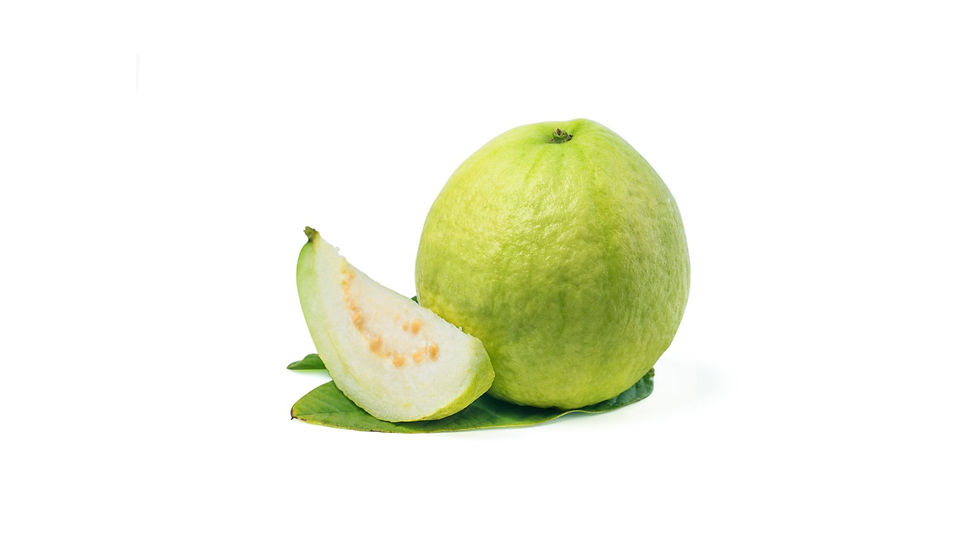
In Thai, fà-ràng often indicates that something comes from the West. This naming pattern also appears in other Thai words used for Western imports, such as:
มันฝรั่ง (man fà-ràng) → potato

ผักชีฝรั่ง (pàk chii fà-ràng) → culantro

ผักชีฝรั่ง /pàk chii fà-ràng/ = culantro
หมากฝรั่ง (màk fà-ràng) → chewing gum

Is “fà-ràng” a Rude Word?
Generally, no.
Fà-ràng is a commonly used everyday term. It is not a rude word and does not carry an inherently negative meaning.
However, how it feels can depend on the speaker’s tone and intention.
If someone calls you fà-ràng, they are usually just referring to you in a general way — not trying to insult or offend you.
Want to Understand Thai Beyond the Textbook?
If you want to speak Thai naturally and understand the culture behind the language, learning real-life usage makes all the difference.
Learn practical Thai used in everyday conversations
Master tones and pronunciation step by step
Build confidence speaking with locals
Explore our Thai group class here!





Comments